
See what your support
makes possible.
A meal for a hungry patient, the equipment needed to safely deliver a baby, free prenatal care for a woman who would otherwise go without.
The needs at Grace Care are real and practical and so are the ways our donors help meet them.
Here are just a few of the ways your support is making a difference.
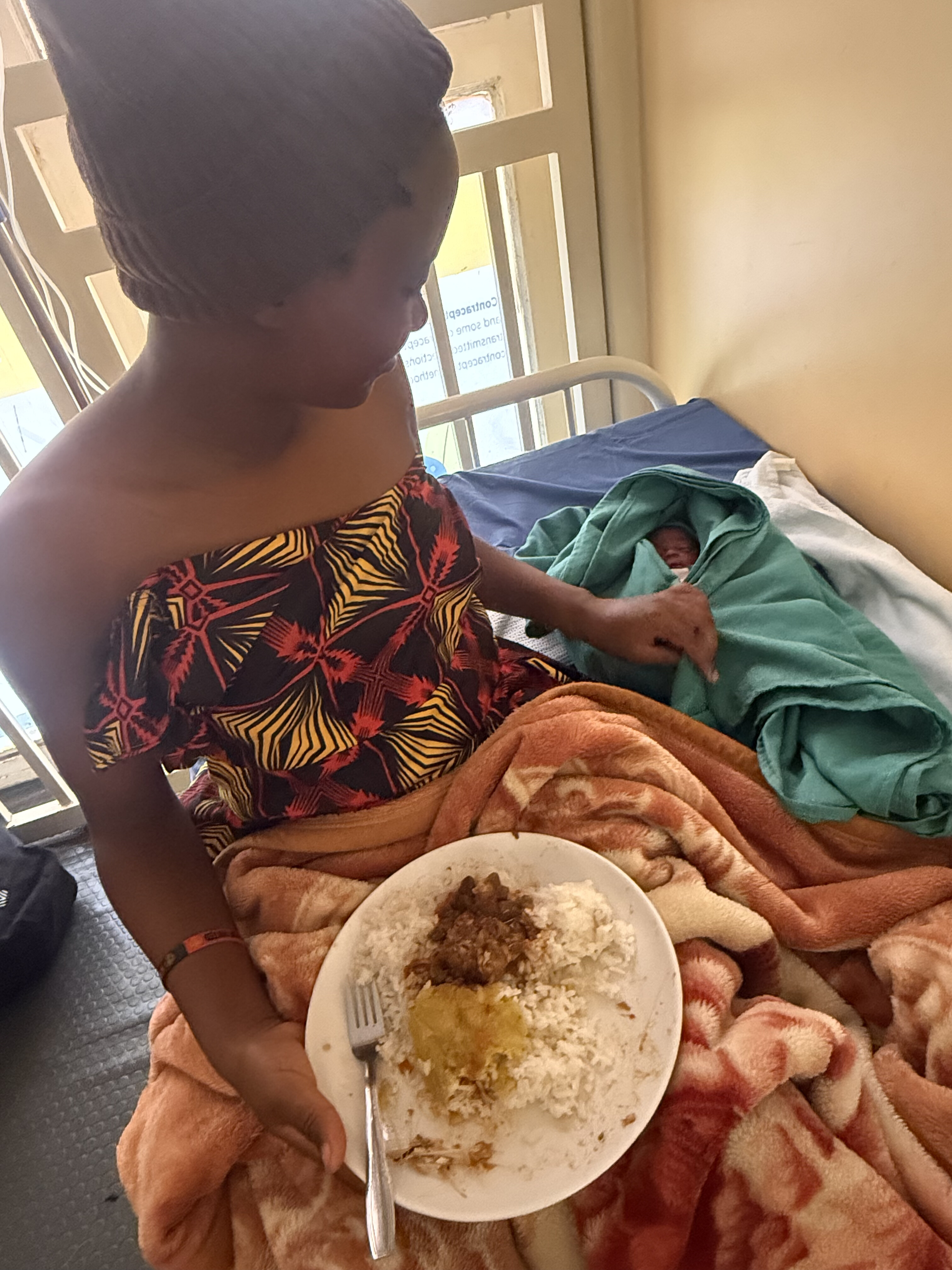
Food is Part of the Care
Grace Care is open 24 hours a day, and patients often spend many hours, or even overnight, at the clinic receiving care. Treatment for malaria, one of the most common illnesses seen at Grace Care, may require multiple IV treatments over several hours.
For patients who can afford it, getting something to eat during a long stay might not be a big concern. But Grace Care opens its doors to anyone who needs care, whether they can afford treatment or not. Many patients arrive with little money and may spend hours at the clinic without anything to eat. Even when a caregiver is with them, there may not be enough money for either of them to have a meal.
Grace Care employs a cook who shops for and prepares meals for the clinic staff working long 12-hour shifts. She always makes extra.
Those extra meals are shared with patients and caregivers who need them. No forms to fill out and no complicated program, if someone is hungry, we feed them.
That care sometimes follows a patient home. If a new mother is being discharged without enough food at home, she may leave Grace Care with a bundle of food for herself and her family. Good nutrition is especially important for a mother recovering from childbirth and breastfeeding her newborn.
It's a small kitchen, but it fills a very real need.
What it costs to keep it running
- Monthly upkeep
- $120 to $140
Funds daily meals for staff plus a nutritious meal for every admitted patient who has nothing to eat.
Fund the Kitchen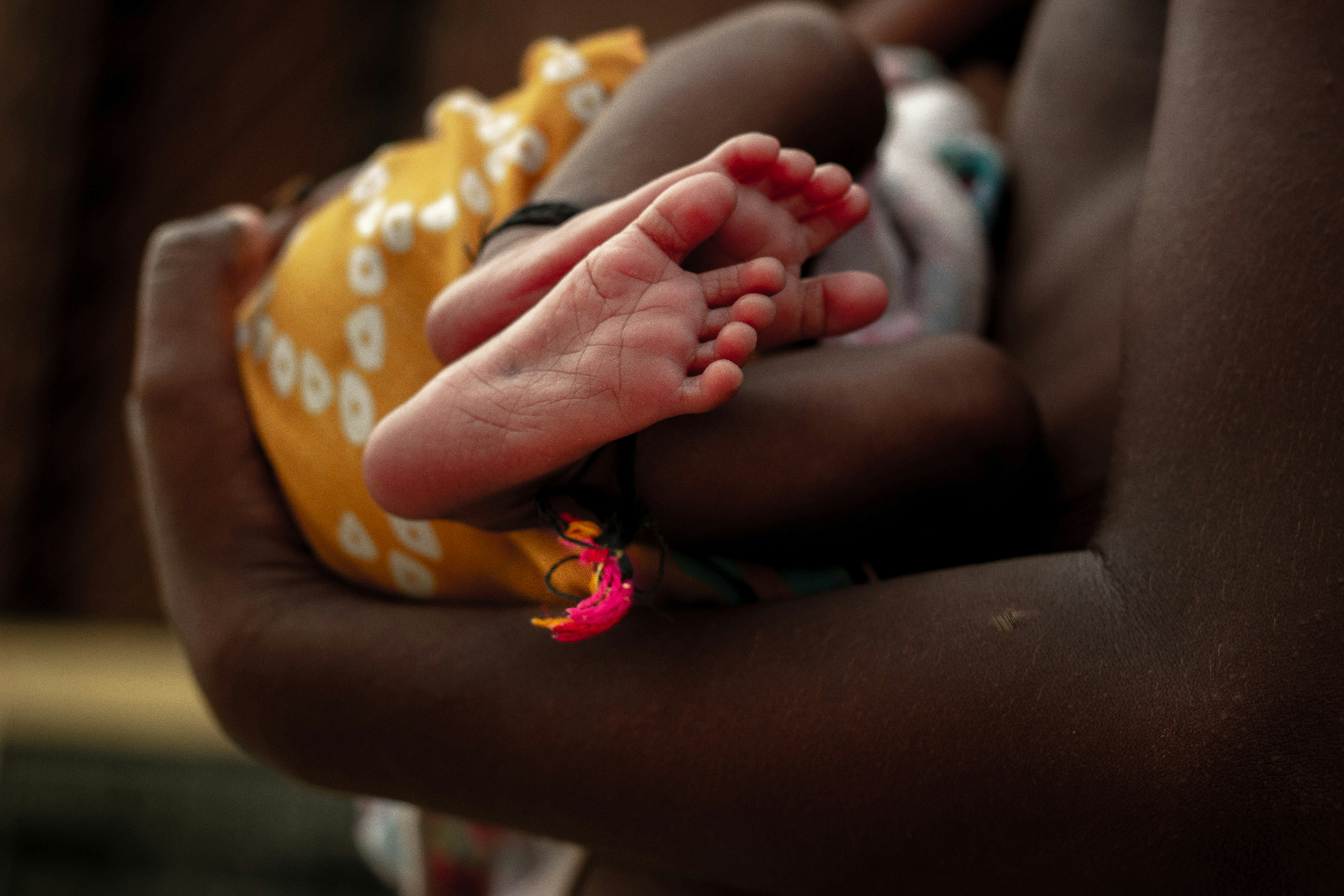
A newborn who needed more than Grace Care had
Power outages are a regular part of life in Uganda. They happen without warning and there's no telling how long they might last. Minutes, hours, or days, it's anyone's guess.
One night, shortly after delivery, a newborn at Grace Care was struggling to breathe. And there was no power. No oxygen concentrator to assist the little one's breathing, no electric suction machine, and little to help this baby in respiratory distress.
Without the equipment she needed, Eron worked with what she had.
Using a manual suction bulb, she cleared the baby's airway while arranging for him to be transferred to a larger facility with electricity and more advanced care. During the transfer, his breathing began to improve.
That sweet baby made a full recovery and today, he's a healthy toddler.
That night made some of Grace Care's needs impossible to ignore.
With the help of donors, the clinic now has a backup generator, an electric suction machine, and portable oxygen that can travel with a patient when a higher level of care is needed.
The power still goes out in Uganda. But now, when it does, Grace Care's lights are still on and essential equipment is still running.
Today, Grace Care is better prepared because people chose to help.
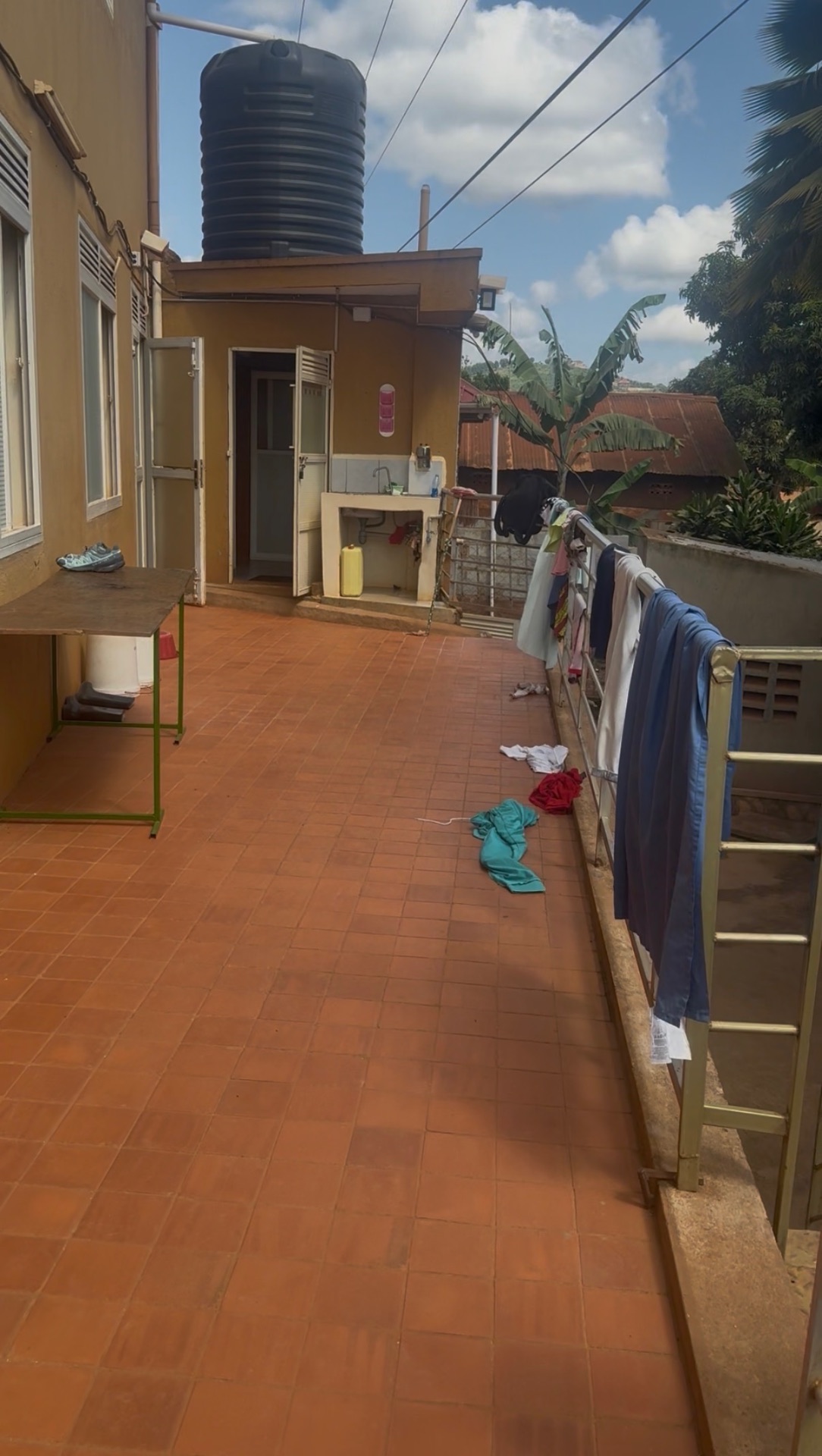
When the Water Stops
Remember the sketchy electricity? Running water can be a little unpredictable too. The taps can run dry for days or even weeks.
As you might imagine, that's a problem, especially for a medical clinic. There are still patient rooms to clean, linens to wash, and sanitary conditions to maintain, whether the water is running or not.
Our donors stepped in and provided Grace Care with this rainwater collection tank. The tank captures and stores rainwater, giving the clinic a backup supply when municipal water isn't available.
The collected water isn't used for drinking (we buy big jugs for that), but it can be used for cleaning, laundry (scrubs and bed linens), sanitation, and other day-to-day needs that don't stop just because the water does.
It's a pretty simple solution to a very practical problem, and now Grace Care has one less interruption to worry about.